Word ATS Templates
The Word Resume Template That Actually Parses
Word is the most trusted place to build a resume and the easiest place to break one. Its own templates lean on text boxes, tables, and header blocks that scramble in a parser. Here is which Word layouts fail, how to build one that reads clean, and five you can use today.
Key Takeaways
Word is fine for an ATS. Many of Word's own resume templates are not, because they use text boxes, tables, and header blocks that scramble in a parser.
The Word label is not a promise. A template can open in Word, say ATS on the tin, and still be two-column, which reads across and splices a skill into your job history.
Building a safe one is simple. Start from a blank document, keep it single column, type contact details into the body, and skip tables, text boxes, and the Columns button.
A Word template removes the parsing penalty. It does not guarantee a pass. Run the finished file through the free checker before you apply.
- Resumes Analyzed
- 50K+
- Average ATS Score Increase
- 25%
- ATS Checks Per Full Report
- 30+
- From Upload to ATS Score
- <60s
What Makes a Word Resume Template ATS-Friendly?
A single column of real text, standard headings, and contact details typed into the body, saved as a .docx or a text-based PDF. That is the whole list. Word handles all of it with no add-ons.
So the file type was never the problem. Word documents parse fine, and a clean DOCX is one of the safest things you can upload.
The problem is what a template does inside the file. The moment it reaches for a text box, a table, or a sidebar to look designed, the reading order breaks, and the software reads your resume in an order you never intended. See the same idea in its full ATS resume format guide, then pick a template below.
Word ATS Templates
Five Single-Column Layouts That Stay Safe in Word
Each one is filled with the same real resume so you can see the look, not a blank frame. Every one is a single column of selectable text you can export as a .docx, and every one reads cleanly in Workday, Greenhouse, Lever, Taleo, and iCIMS. Pick the feel you want.
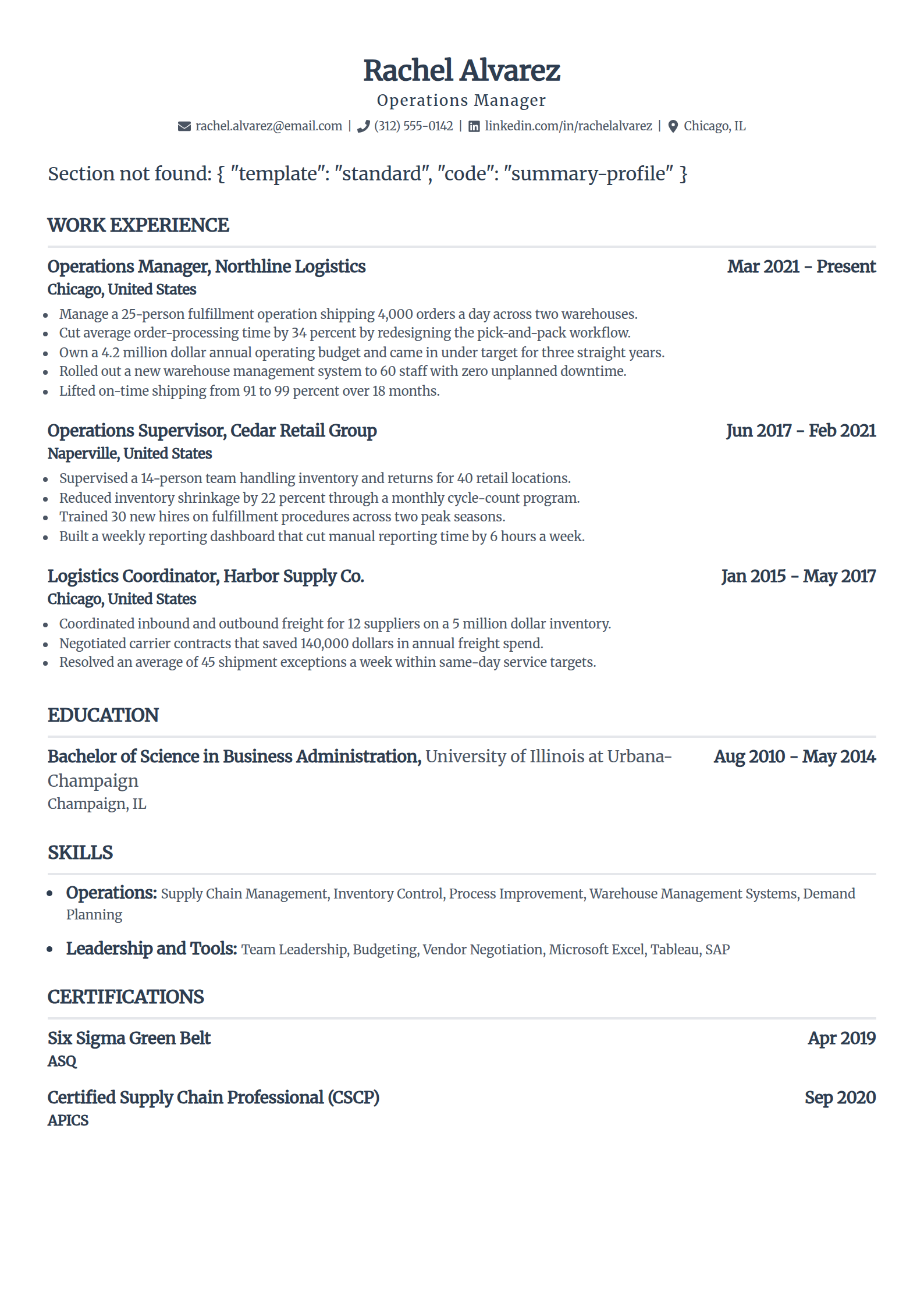
Standard
The safest default for a Word document. One column, ordinary headings, and dates that sit in line, so any parser reads it top to bottom.
Use the Standard template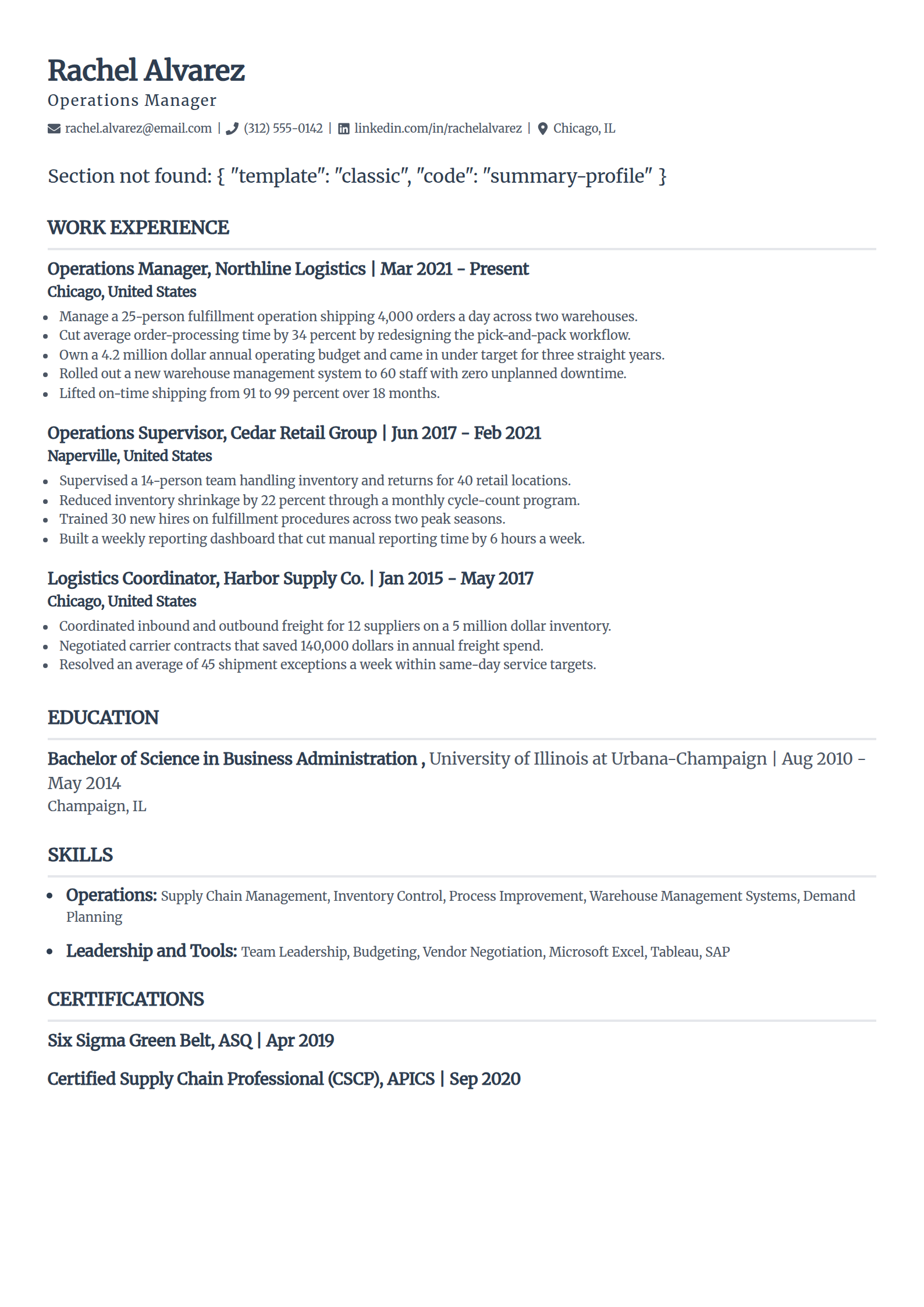
Classic
The traditional Word resume done right. Serif headings and thin rules for structure, with every line still plain selectable text.
Use the Classic template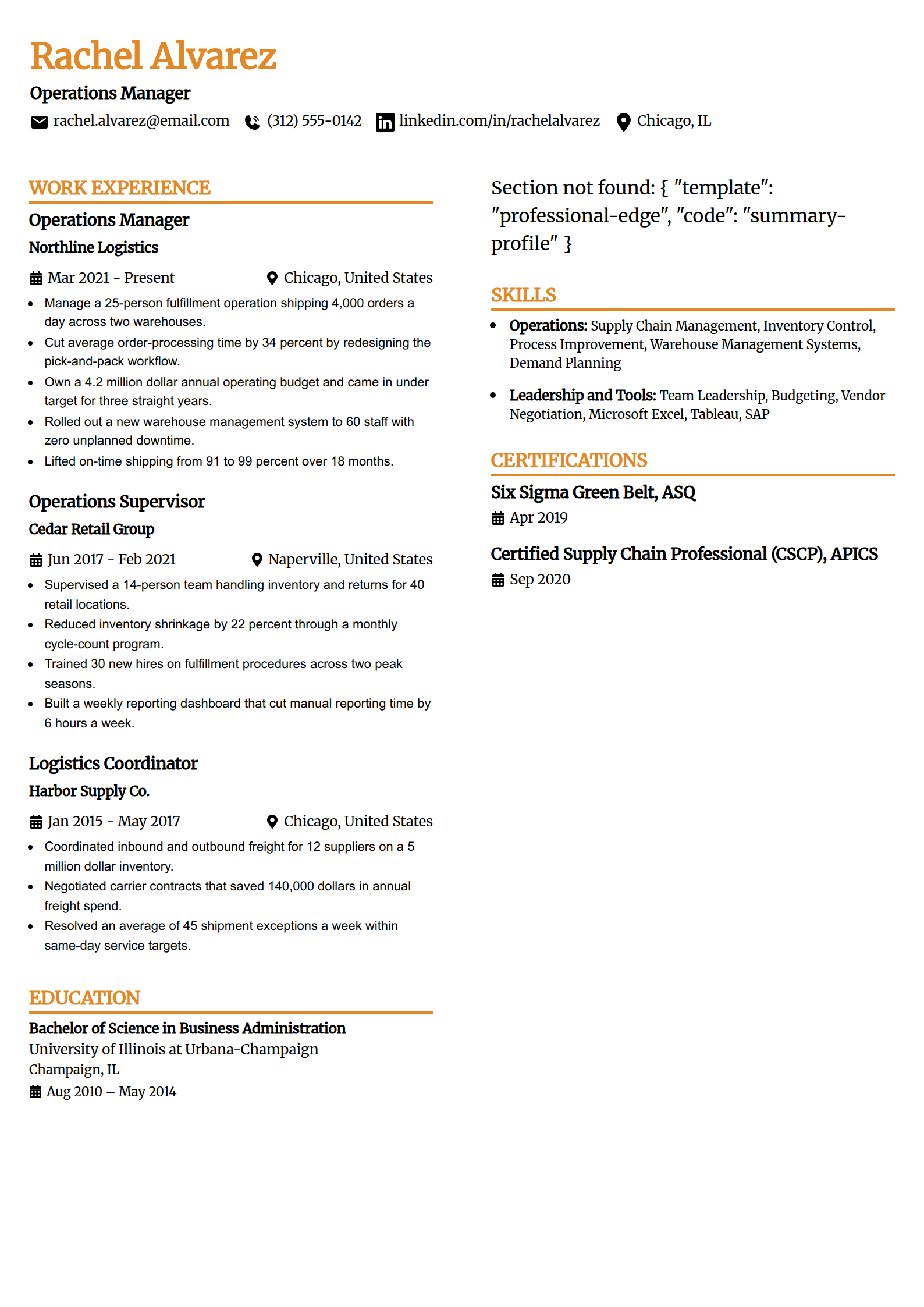
Professional Edge
A firmer header for a manager or senior applicant. The weight comes from type, not a colored box a parser would drop.
Use the Professional Edge template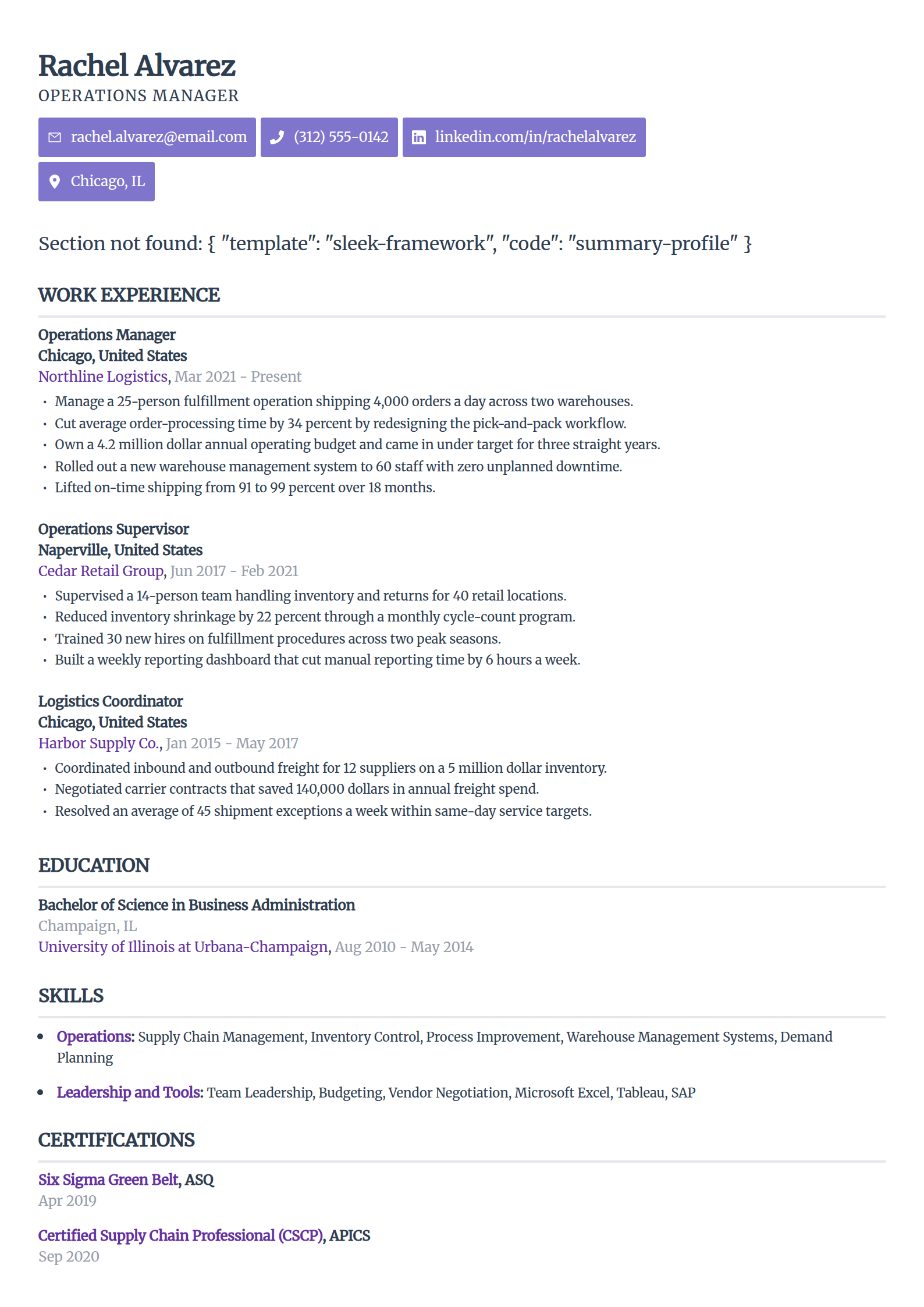
Sleek Framework
The most design-forward pick that still stays safe. Tight spacing does the styling a sidebar usually would, all in one column.
Use the Sleek Framework template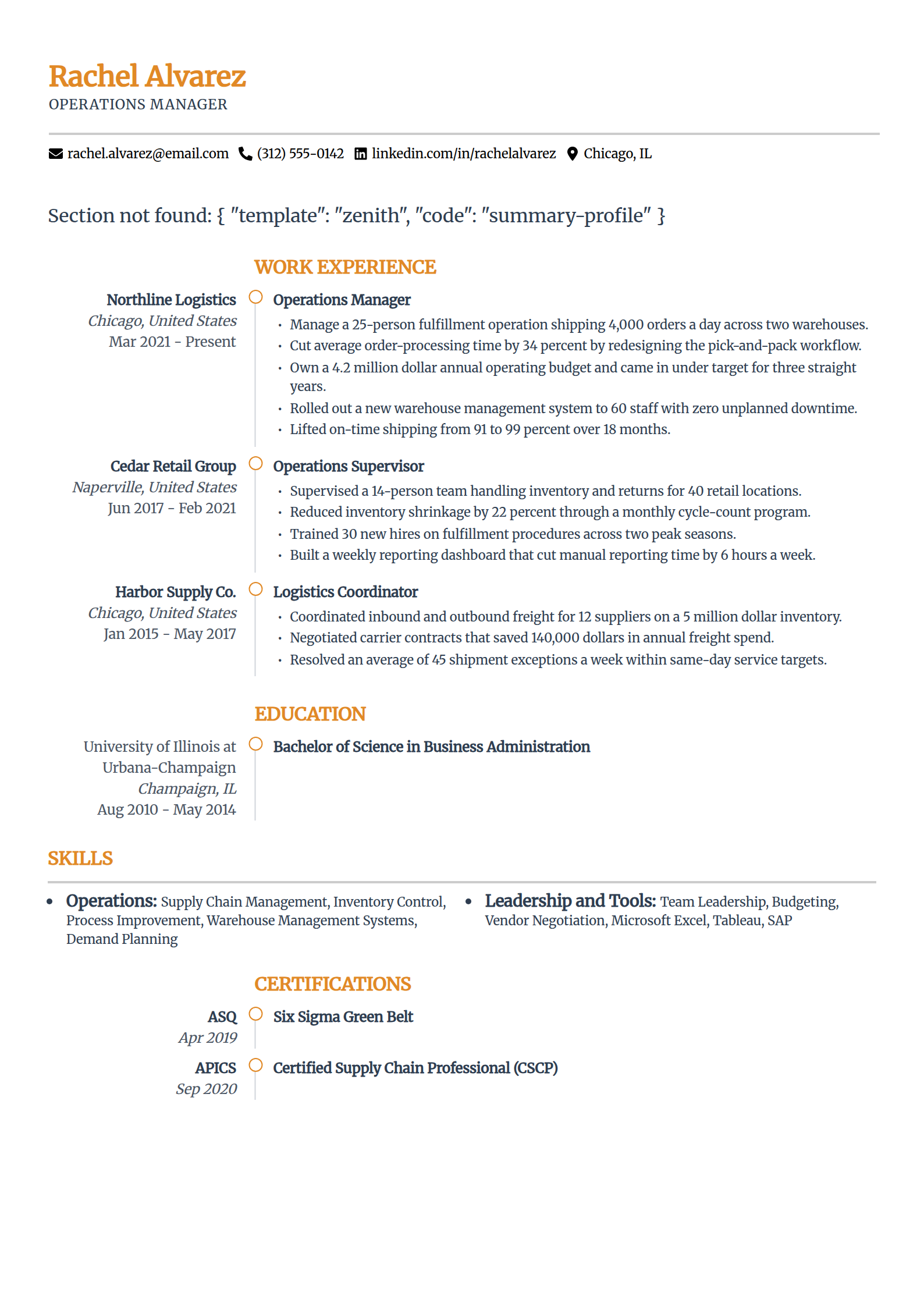
Zenith
An open, summary-first layout for a role where the pitch matters. Whitespace carries the hierarchy, with nothing for a parser to trip on.
Use the Zenith templateEvery template here is free to fill and export as a text-based DOCX or PDF, with nothing to pay at download. The AI writing help and premium designs sit inside the paid builder plans; using and exporting these layouts costs you nothing at all.
Where Word's Own Templates Break
Open File then New in Word and search Resume, and a lot of what you get is two-column and text-box heavy. Here is what parses in a Word file, next to the Word habits that quietly break it.
Parses in Word
- One column running top to bottom, so the parser reads your resume in the order you wrote it.
- Standard headings typed as normal text: Summary, Work Experience, Education, Skills.
- Contact details in the first lines of the body, not in the document header region.
- A common font at 10 to 12 point, styled with size and spacing rather than graphics.
Breaks the parse
- Text boxes, which Word stores as separate objects a parser reads out of order or skips entirely.
- A two-column layout built from a table, read across each row so a skill splices into a job line.
- The name and contact block placed in Word's header or footer, where the parser often never looks.
- SmartArt, icons, and skill bars, which Word inserts as drawings with no text a parser can read.
The text box is the one that catches people out. It looks like normal text on the page, but Word stores it as a separate object, and a parser reads it out of order or drops it. The two-column breakdown lives in one column versus two for ATS.
How to Build an ATS-Safe Resume in Word
You do not need a special template to get this right. Six moves turn a blank Word document into a resume any parser reads in order. Follow them and you can skip the template hunt entirely.
Start from a blank document, not a fancy template
Open a blank file and build a single column with plain headings. Most of the built-in resume templates under File then New are two-column or text-box layouts, so starting clean is faster than fixing one.
Type contact details into the body
Put your name, email, phone, and city in the first lines of the page as normal text. Do not use Insert Header. Word's header region is exactly where a parser tends to miss your contact fields.
Skip tables, text boxes, and columns
Do not use Insert Table, Insert Text Box, or the Layout Columns button to lay out the page. Each one changes the reading order a parser follows. Use paragraph spacing and tab stops instead.
Use ordinary heading words
Name your sections Work Experience, Education, and Skills. You can bold them and bump the size, but a heading like Toolbox or My Journey is one the software will not map to a field.
Run the highlight test
Select all the text with your cursor. Anything that will not highlight, a name in a graphic or a skill bar, went in as a picture, and a picture reads back to the parser as blank.
Save as .docx or a text-based PDF
Keep the file as a .docx, or export a PDF that still lets you select the text. Never save your resume as an image or a scanned page, which hands the parser an empty sheet.
For the full set of single-column templates with a per-template breakdown of who each one fits, see the ATS resume templates hub, and for the plainest version of the same idea, the simple ATS template guide. If you build in Google Docs instead, the Google Docs ATS template guide covers the hidden table its own templates lean on.
Free ATS Resume Checker
A Word File Can Look Perfect and Still Scramble
The document on your screen shows the design. It cannot show you the reading order a parser pulls from it. Upload the file for a 0-100 score and the 30-plus checks behind it in under 60 seconds, and read back exactly what the software took off the page.
Should You Send the Word File or a PDF?
Send whatever the posting asks for. When it does not say, a .docx is the safe default, because older and enterprise systems read Word most reliably and portals auto-fill their forms from it cleaner.
A text-based PDF exported from Word parses just as well in modern systems, and it locks your layout so nothing shifts on another machine. Either one is fine when the text stays selectable.
The file that fails is a scan or an image export, which has no text underneath for the parser to read. The deeper point holds across both formats: layout breaks a parse far more than the extension does. The full comparison is in PDF or Word for ATS.
Does a Word Template Guarantee It Passes?
No. A clean single-column Word template clears the formatting penalty. It does not decide whether you fit the job, and it is worth saying so where most template pages let you assume otherwise.
An applicant tracking system almost never bins a resume for its layout. It parses what it can and ranks you, and a page it struggles to read simply ranks lower, where a recruiter does not scroll.
That ranking is what most employers lean on to make a first cut. In Harvard Business School's Hidden Workers study with Accenture in 2021, more than 90 percent of surveyed employers using this software relied on it to filter or rank applicants.
A Word file that parses keeps you in that ranking instead of buried under it.
So build the clean layout to remove the penalty. Then win on the two things that move your rank: keywords that match the exact posting, and real detail that fits the role.
The template gets you read. Your content gets you shortlisted.
Why Trust This
The Word Template With an Invisible Text Box
A candidate once sent me a resume that looked flawless in Word. His name, title, and contact line sat in a neat banner across the top, and his skills ran down a tidy side panel.
Inside our applicant tracking system the banner was gone and the side panel had spliced into his first job. His name field was blank, because the banner was a text box the parser never read. A plain single-column version of the same resume came through whole.
Word was never the problem. The text box and the side panel were, and the six checks on this page are what I look for before trusting any resume built in Word.
Who wrote this
Rohith Reddy Jarugu, builder of ats resume checker. Ten years in software hiring, 500+ interviews conducted, now building career tools full time. LinkedIn
The Look Is Yours. The Proof Is a Test.
A single-column Word layout clears the parsing traps and stops there. Whether your export held, your keywords match, and the software reads every line is on you to confirm. It takes a minute, no signup.
ATS Resume Checker
Upload the finished Word file for a 0-100 score and a 30+ check report in under 60 seconds. The one thing a good-looking template cannot confirm for you.
Check my resumeATS Resume Parser
See the raw text a parser pulls from your Word file, section by section, so you catch a stray text box or a lost header before it costs you.
Preview the parseResume Keyword Scanner
Paste a posting and your resume to see the exact terms you are missing, so your wording matches the job you want.
Scan for keywordsATS Resume Templates Hub
The full set of single-column templates with a per-template breakdown of who each one fits and exactly why it parses cleanly.
See the full hubFree ATS Resume Checker
Make Sure the Word File Survived the Upload
A clean layout gets you most of the way. The free checker reads the finished file the way an ATS does and shows the 30-plus checks behind your score, in under 60 seconds.
Word ATS Resume Template: FAQs
The questions people ask before trusting a Word template with a real application. Still stuck? Contact us and we'll help.
Are Microsoft Word resume templates ATS-friendly?
Some are and many are not, so the Word label alone is not a guarantee. A single-column Word template with plain headings and real text parses cleanly in any applicant tracking system. But several of Word's own built-in resume templates, and plenty sold as ATS templates, use two columns, text boxes, sidebars, or a name block in the document header, and those break the parse no matter how professional they look. Judge the layout, not the fact that it opens in Word.
Which Word resume templates break the ATS?
The ones built with a table-based two-column layout, a text box, a sidebar, or contact details in the document header. A parser reads a two-column table across each row, so a skill on the right splices into a job on the left. It reads text boxes out of order or skips them, and it often misses anything placed in the header or footer region. A resume can look polished in Word and come apart the moment the software reads it.
Is a Word document or a PDF better for an ATS?
A .docx and a text-based PDF both parse cleanly in modern systems, so the extension rarely decides your resume. A DOCX is the safer choice for older or enterprise systems and for portals that auto-fill a form from your file. The one file that fails is an image-based PDF or a scan, because it has no selectable text underneath. The deeper split is layout, not format: a two-column Word file breaks the parse whether you send it as DOCX or PDF.
How do I make my resume ATS-friendly in Word?
Build a single column from a blank document, type your contact details into the body rather than the header, and avoid tables, text boxes, and the Layout Columns feature. Use standard headings like Work Experience and Skills, a common font at 10 to 12 point, and save as a .docx or a text-based PDF. Then select all the text to confirm every word highlights, which proves nothing went in as a graphic.
What font should a Word resume use for an ATS?
Use a clean, common font at 10 to 12 point, such as Calibri, Arial, or Georgia, all of which Word includes and every parser reads. Web-safe is the requirement, since an unusual downloaded font can render as boxes or fail to embed in the file. The look comes from how you use the type, with clear sizing and generous spacing, not from an exotic typeface.
Does a Word template guarantee my resume passes the ATS?
No, and treat any template that promises it with suspicion. A clean single-column Word template removes the formatting traps that break parsing, so you get read and fairly ranked. Reaching a recruiter still depends on your keywords matching the posting and your experience fitting the role. An applicant tracking system ranks and filters; it rarely auto-rejects on layout. The template lifts the parsing penalty, and testing the finished file is what proves it worked.